What Is a Starter and an Alternator? What Do They Do?
In the automotive world, many components must work together in harmony for a vehicle to operate smoothly. Among these components, the starter and the alternator play a critical role in both starting the engine and maintaining the vehicle’s electrical system. Most drivers only become aware of these parts when a problem occurs, yet they are the unseen heroes behind every journey.
Understanding how these systems work helps vehicle owners make better decisions when it comes to maintenance, repairs, and part replacement. Knowing the difference between a starter and an alternator also prevents misdiagnosis and unnecessary costs.
What Is a Starter?
The starter, commonly known as the starter motor, is responsible for initiating the engine’s operation. When the ignition key is turned or the start button is pressed, the starter engages and provides the initial mechanical movement required to start the engine. In simple terms, it brings the engine to life.
The starter draws electrical energy from the battery and converts it into mechanical energy to rotate the crankshaft. This rotation allows the combustion process to begin. When the starter fails, the engine may not start at all or may struggle to turn over, making the vehicle unusable.
What Does a Starter Do?
The starter’s job is limited to the starting phase of the engine. Once the engine is running independently, the starter disengages and stops operating. Although its working time is short, it must handle extremely high electrical loads and torque during every start.
For this reason, durability and build quality are essential. A high-quality starter ensures reliable engine starts and reduces the risk of unexpected failures.
What Is an Alternator?
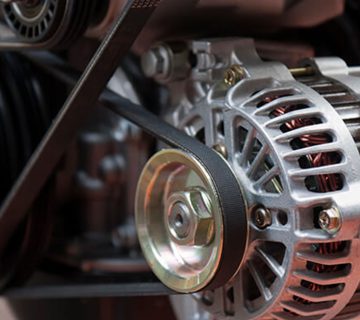
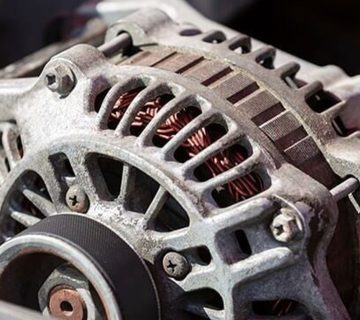
The alternator is the heart of the vehicle’s electrical system once the engine is running. After the starter completes its task, the alternator takes over by generating electrical power for the vehicle. At the same time, it recharges the battery to keep the entire system balanced.
Without a properly functioning alternator, a vehicle cannot sustain its electrical needs, even if the engine itself is mechanically sound.
What Does an Alternator Do?
The alternator converts mechanical energy produced by the engine into electrical energy. This electricity powers essential systems such as lighting, air conditioning, infotainment units, electronic control systems, and various sensors. It also ensures that the battery remains charged during operation.
When an alternator begins to fail, symptoms often include dim lights, warning indicators on the dashboard, or a battery that repeatedly loses charge. If left unresolved, alternator failure can result in the vehicle stopping completely.
The Difference Between a Starter and an Alternator
Although both components are related to the electrical system, their roles are entirely different. The starter is only active during engine startup, while the alternator operates continuously as long as the engine is running. Starter problems usually prevent the engine from starting, whereas alternator issues affect battery charging and electrical performance during driving.
Understanding this distinction helps vehicle owners and technicians identify problems more accurately and choose the correct replacement parts.
Why Choosing the Right Starter and Alternator Matters
Each vehicle requires a starter and alternator that match its engine specifications, electrical demand, and usage conditions. Choosing an incorrect or low-quality component can lead to poor performance, shortened lifespan, and increased maintenance costs.
This is why professional guidance and technical knowledge are just as important as product availability. Proper selection ensures reliability, efficiency, and long-term value.
The Importance of Quality Spare Parts
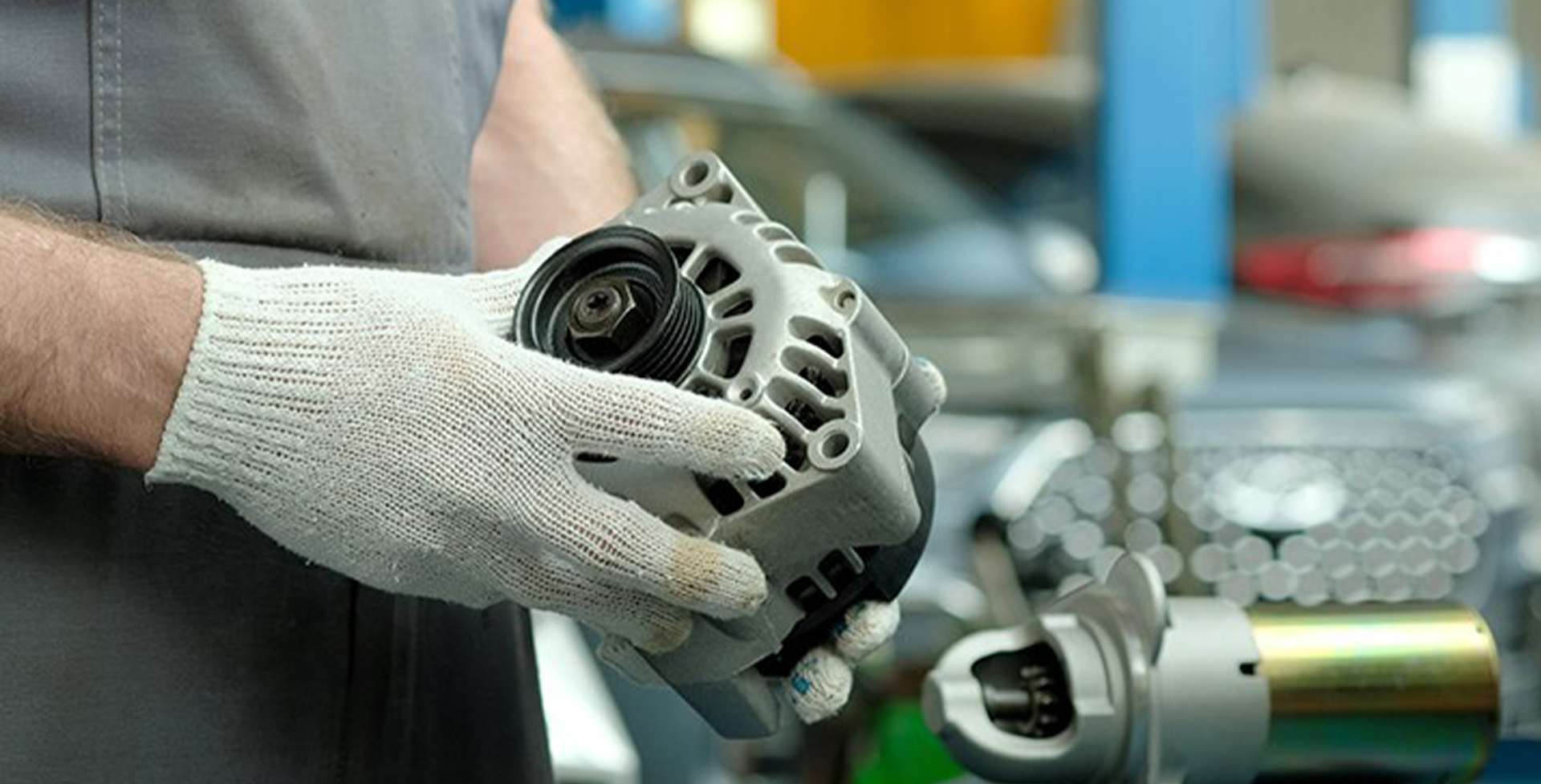
Starters and alternators consist of multiple internal components, including bearings, brushes, regulators, and electronic elements. The quality of these spare parts directly affects the overall performance and durability of the unit.
Using low-quality components may result in repeated failures, while high-quality spare parts help extend service life and maintain consistent performance. Reliable sourcing is essential for both complete units and replacement parts.
A Professional Approach to Supply and Consulting
In today’s automotive spare parts industry, supplying products alone is no longer sufficient. Providing the right product, supported by technical expertise and efficient logistics, makes a significant difference.
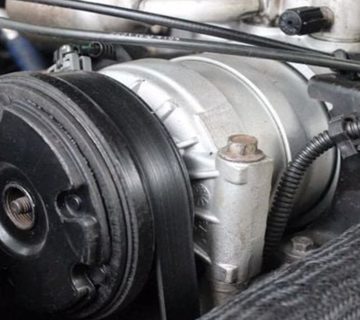
Based in Denver, Colorado, KAAN Auto Parts offers professional solutions in starters, alternators, and AC compressors by combining product supply with expert consulting. With strong connections in Türkiye and international markets, the company ensures reliable access to suitable products for customers across different regions.
Conclusion
Starters and alternators are essential components that ensure engine operation and electrical system stability. Understanding how they function, selecting the correct parts, and using high-quality spare components contribute to safer driving and long-term cost efficiency.
A customer-focused, knowledge-driven, and professional approach remains the key to building trust and delivering real value in the automotive industry.