
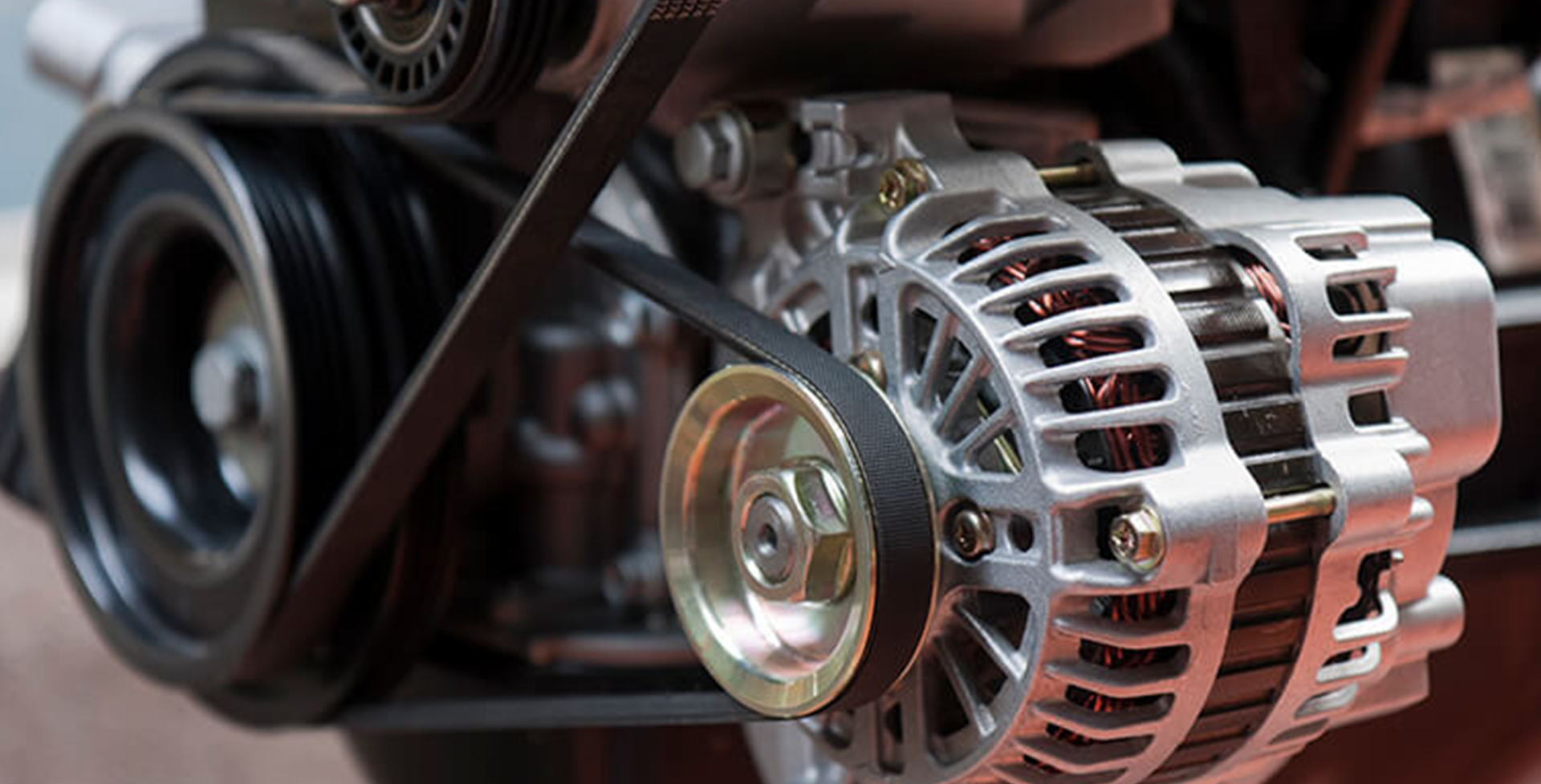
The smooth operation of a vehicle’s electrical system largely depends on the performance of the alternator. As long as the engine is running, the alternator generates electricity to power all electronic systems while also keeping the battery charged. For this reason, choosing the right alternator is essential not only for performance but also for driving safety and long-term cost efficiency.
An incorrect or incompatible alternator can quickly lead to electrical failures, battery problems, and system instability. In this article, we examine the key factors to consider when selecting an alternator, the importance of technical specifications, and why professional guidance plays a critical role in making the right choice.
The Role of the Alternator in a Vehicle
The alternator is the main component that converts mechanical energy from the engine into electrical energy. Once the engine starts, all electrical demands are supplied by the alternator. Headlights, air conditioning, infotainment systems, sensors, and control units all rely on this continuous power supply.
At the same time, the alternator prevents the battery from discharging by maintaining a stable charge level. When this balance is disrupted, electrical issues begin to appear throughout the vehicle.
Vehicle Type and Engine Specifications
One of the first factors to consider when choosing an alternator is the vehicle type and engine specifications. Passenger vehicles, commercial vehicles, and heavy-duty applications all have different electrical demands. Engine size, onboard equipment, and intended usage directly influence the required alternator capacity.
Vehicles with higher electrical consumption require alternators with greater output. Therefore, there is no one-size-fits-all solution when it comes to alternator selection.
Amperage and Voltage Ratings
An alternator’s technical capacity is defined primarily by its amperage and voltage ratings. The amperage indicates how much electrical current the alternator can generate. As the number of electrical components increases, a higher amperage alternator becomes necessary.
Voltage regulation is equally critical. Incorrect voltage levels can damage both the battery and sensitive electronic components. Selecting an alternator that matches the manufacturer’s specifications ensures system stability and long-term reliability.
Driving Conditions and Usage Patterns
Another important factor in alternator selection is how the vehicle is used. Frequent short trips, stop-and-go city driving, and heavy electrical loads place additional stress on the alternator.
Vehicles used for long-distance driving typically allow the alternator to operate more consistently. Considering usage conditions helps ensure that the selected alternator offers sufficient durability and performance for real-world demands.
Spare Parts and Internal Component Quality
Alternators consist of multiple internal components, including diodes, voltage regulators, bearings, and winding systems. The quality of these parts has a direct impact on overall performance and service life.
Low-quality components can lead to premature failure, while high-quality internal parts support stable operation and extended durability. Evaluating internal build quality is just as important as reviewing external specifications.
Original and Aftermarket Alternator Options
A common consideration when choosing an alternator is the difference between original equipment and aftermarket options. Both choices can be suitable depending on the application. The key factor is ensuring that the alternator meets quality standards and is fully compatible with the vehicle.
When sourced from reliable suppliers, aftermarket alternators with correct specifications can deliver dependable performance. Product origin and technical support play a significant role in this decision.
The Value of Professional Guidance
Alternator selection requires more than basic technical knowledge. Without proper evaluation of vehicle data and operating conditions, incorrect choices can result in repeated failures.
Based in Denver, Colorado, KAAN Auto Parts supports customers by offering not only alternator supply but also professional consulting services. With a strong supply network in Türkiye and international markets, the company delivers suitable solutions for a wide range of vehicles and regional requirements.
Long-Term Cost Benefits
While a high-quality alternator may seem more expensive initially, it provides significant long-term value. Reduced breakdowns, stable electrical performance, and extended service life lower overall maintenance and repair costs.
A properly selected alternator enhances driving comfort and protects the vehicle’s electrical infrastructure.
Conclusion
Choosing the right alternator is a critical decision for maintaining a vehicle’s electrical system. Taking vehicle specifications, technical ratings, usage conditions, and component quality into account ensures reliable and efficient operation over time.
A knowledge-based and professional approach remains the key to achieving lasting performance and confidence in the automotive spare parts industry.